





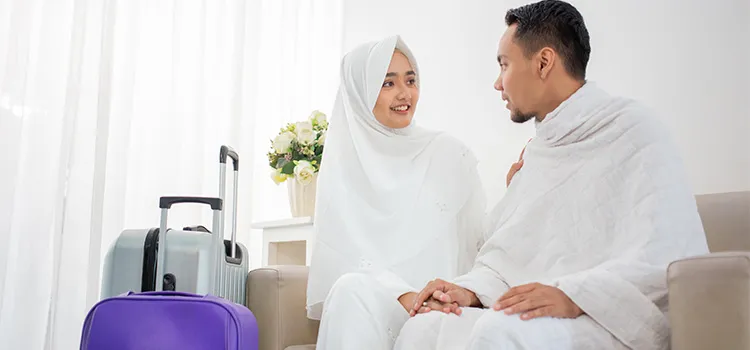
Women no longer need a mahram to perform Umrah under the current Saudi Arabia travel rules. Women can independently apply for both Umrah and tourist visas, enter Saudi Arabia, and complete Umrah without a male guardian. Traditionally, a mahram (such as a husband, father, brother, or son) was considered necessary because travel was difficult and unsafe. Today, modern transport, organised flights, hotels, and guided Umrah packages have changed how many scholars view the issue. While some traditional scholars still recommend travelling with a mahram for comfort and support, many modern scholars allow solo Umrah if the journey is safe, organised, and properly planned.
Do Women Need a Mahram for Umrah Today?
Short answer? No. Long answer? It depends on what exactly you're asking.
If the question is about rules and permissions, then no, a mahram is no longer required. Women can travel alone for Umrah without any legal issues. But if the question is about what is better or recommended, then that's where different opinions come in.
A mahram, to keep it super simple, means a close male relative like a father, brother, husband, or son. Someone who traditionally travels with her for protection and support. That idea made a lot of sense in the past, especially when travel was unpredictable and, honestly, risky. Now things look very different. Flights are organised, everything is booked in advance, and millions of people travel for Umrah every year.
So naturally, the way people think about this topic has also changed. So yes, women can go for Umrah without a mahram today. But whether they should or not depends on safety, comfort, and personal choice.
What Saudi Travel Rules Say Right Now
Saudi Arabia has officially removed the requirement of a mahram for women travelling for Umrah. That means there is no restriction stopping a woman from applying for a visa or entering the country on her own. In the past, women needed a mahram's details attached to their visa application.
That is no longer the case. Today, women can apply on their own, get approved, and travel without needing any male guardian. This rule applies to both types of visas people use for Umrah. One is the Umrah visa, which is specifically for pilgrimage, and the other is the tourist visa, which also allows Umrah during the visit. So no matter which option someone chooses, the rule stays the same.
Because of this change, women now have more flexibility in how they travel. Some go alone, some go with friends, and many join group packages. There is no legal barrier anymore. From a government perspective, everything is allowed and straightforward.
Why These Travel Rules Changed
If you're wondering why this rule suddenly became relaxed, it actually wasn't sudden. Saudi Arabia has been updating many of its travel policies over time to make visiting easier and more accessible for people around the world. Think about how travel used to be. Long journeys, no proper systems, safety risks everywhere. That's the environment in which older rules were built.
Having a mahram wasn't just a rule; it was a form of protection during uncertain travel conditions.
Now compare that to today. Flights are scheduled, airports are secure, hotels are pre-booked, and everything runs on a system. You know when you'll land, where you'll stay, and how you'll get there. It's structured and predictable. As a result, the risk level is much lower than before. So the rules were updated to match modern travel. It's not about removing safety; it's about recognising that safety now comes in different forms.
What Islamic Scholars Say About Travelling Without a Mahram
Islamic rulings are called fiqh. That means how scholars understand and explain Islamic teachings based on the Quran and Hadith. Since scholars study things in different ways, it's normal to have more than one opinion on certain topics.
When it comes to travelling for Umrah without a mahram, there are mainly two types of views. One comes from traditional scholars, and the other from many modern scholars who examine today's conditions. Both are based on reasoning. Both are valid in their own way. They focus on different situations.
Traditional Scholar View (Older Understanding)
Many scholars from earlier times believed that women should not travel long distances without a mahram. But here's something important people often miss. Their focus was not on stopping women from doing Umrah. It was about the journey itself. Back then, travel was genuinely difficult.
There were no planes, no organised groups, and no guaranteed safety. People travelled through deserts, faced unknown dangers, and could be away for long periods without support. In that situation, having a mahram was not just recommended; it felt necessary.
So their opinion came from safety concerns. Not from making Umrah difficult. And that context matters a lot when understanding their view today.
Modern Scholar View (Today's Understanding)
Now fast forward to today. Many scholars examine current travel conditions and say that if the journey is safe, a woman can perform Umrah without a mahram. Their focus is still on safety, but they recognise that safety now exists in different ways. Flights run on time, hotels are booked in advance, and Umrah packages often include full guidance from start to finish. Many women travel in groups where support is already built into the experience.
As a result, the main concern that existed in the past has been reduced. So if a woman is travelling in a safe environment, with proper planning and clear arrangements, many scholars consider it permissible.
This view doesn't ignore tradition. It simply adjusts the ruling based on how the situation has changed.
What “Safe Travel” Actually Means
This part is really important because everything depends on it. Safe travel doesn't just mean booking a ticket and showing up. It means the entire journey is planned to avoid confusion, stress, and risk. Things like confirmed flights, hotel bookings, transport plans, and knowing what to expect all play a role.
It also includes how comfortable someone feels during the trip. If a person feels lost, overwhelmed, or unsure about what to do next, then even a safe trip can feel difficult. So safety is not just physical, it's also about mental ease and confidence. That's why planning matters so much here. The more prepared someone is, the smoother the experience becomes.
So What's the Final Islamic Take?
A mahram is not strictly required for Umrah today. Many scholars agree that if the travel is safe and well-organised, a woman can go without one. At the same time, having a mahram is still recommended by some scholars for comfort and support. So it's not about something being completely right or wrong. It's about understanding your situation and choosing what works best for you.
Some people feel completely fine travelling alone. Others feel more at ease with the company. Both choices are valid.
Why Many Women Still Prefer a Mahram or Group
Even with all these changes, many women still choose to travel with a mahram or in a group. And that choice makes sense, too. Umrah is not just about rules. It's an emotional and spiritual journey. Having someone with you can make things feel easier, especially when dealing with travel steps, crowded areas, or unfamiliar surroundings.
Simple things like managing luggage, finding locations, or handling unexpected situations become less stressful when you're not alone. It also adds a sense of comfort, especially for first-time travellers who are still figuring things out.
So even though it's allowed to travel alone, many people still prefer having support. Not because they have to, but because it feels better.
Practical Things to Check Before Booking Umrah Without a Mahram
Before making any booking, it helps to slow down and think things through properly. This isn't about fear; it's about being prepared so nothing catches you off guard later.
Travel Documents
First, make sure all your travel documents are ready and correct. That includes your passport, visa approval, flight details, and hotel booking. These are basic things, but even a small mistake here can cause problems during travel.
Understand Everything
Second, understand your full journey before you leave. Know where you're landing, how you'll reach your hotel, and what your first day will look like. This removes that lost feeling people sometimes get when they arrive in a new place.
Communication
Third, think about communication. Make sure you have a working SIM card or internet access so you can navigate, call for help if needed, or stay connected with family.
Comfort Is Priority
And finally, be honest with yourself about your comfort level. If something feels too overwhelming, it's okay to choose an easier option like group travel. This is not about proving anything. It's about having a peaceful experience.
Important Religious Considerations People Often Miss
There are a few things people don't always think about, but they actually matter.
One of them is the iddah period. This is a waiting period a woman observes after divorce or the passing of her husband. During this time, travel like Umrah is not allowed. It's a specific Islamic rule that applies regardless of travel safety or planning.
Another important point is understanding which scholarly opinion you feel comfortable following. Since there are different views on travelling without a mahram, some people prefer speaking to a local scholar or someone they trust for guidance. This helps them feel more confident in their decision.
Final Thoughts
Umrah is a very personal journey. It's not just about reaching a place, it's about how you experience it. Right now, the rules are clear. Women can travel without a mahram. There is no restriction stopping them. At the same time, Islamic opinions still encourage safety, comfort, and thoughtful planning.
So the decision is no longer about what is allowed. That part is simple. The real question is what feels right for you. Some people feel strong and confident travelling alone. Others feel more at peace with support. Both choices are completely valid.
Take your time, plan properly, and choose the path that lets you focus on what really matters. Because at the end of the day, Umrah is not about how you travelled. It's about the experience you carry with you.