





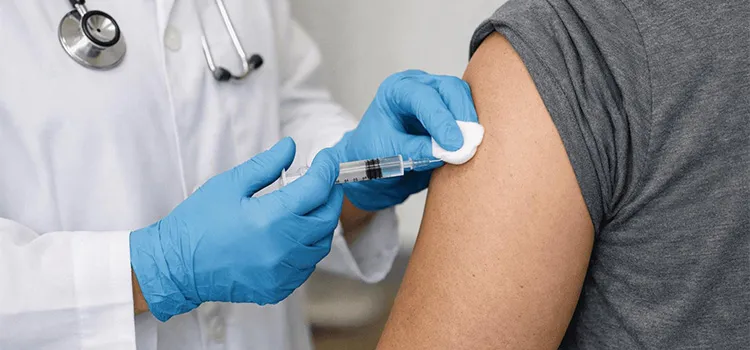
Getting ready for Umrah requires more than just bookings and packing. Before you begin any of that, one of the most important steps is understanding vaccinations. This means understanding Saudi Arabia's health and vaccination requirements. They are an important part of ensuring you get your Umrah visa. These requirements are updated annually based on global health conditions. So, keeping a close look at them is essential for a successful pilgrimage. Not complying with vaccination requirements for Saudi Arabia can result in a visa refusal and a delay in processing.
Saudi Arabia Umrah Vaccine Requirements 2026
Travelling for Umrah in 2026 means you must follow one of the most critical guidelines: vaccination compliance. The Saudi government has several vaccination guidelines to ensure pilgrims' safety and beyond. The specific requirements may vary depending on the country, age, and health condition.
However, there are certain vaccines that are highly recommended and important for Umrah 2026. While these may vary depending on your country, here are some important vaccines to keep in mind.
- Meningococcal (ACWY) vaccine
- COVID-19 vaccination
- Polio vaccine
- Yellow fever vaccine
- Flu vaccine
Completing these health requirements early becomes much easier when you book organised Umrah deals 2026, as reliable agencies guide pilgrims through both travel and documentation needs.
1. Mandatory Meningococcal Vaccine (ACWY) for Umrah 2026
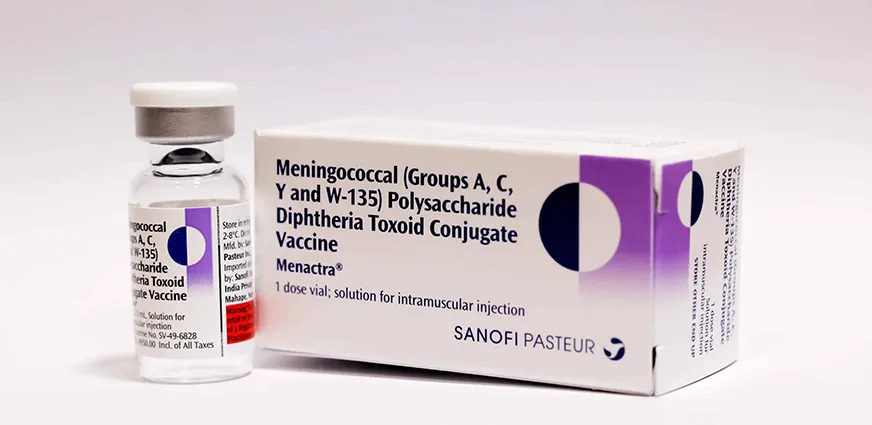
While several vaccines are required for Umrah, among the most important and continually enforced ones is the Meningococcal Vaccine (ACWY). It is important to protect pilgrims from a life-threatening disease that can spread very easily in large crowds. Therefore, getting this vaccine before Umrah helps prevent the spread.
Why Is It Required
The importance of the vaccination lies in its origin. It is caused by the bacterium Neisseria meningitidis. The spread of this bacterium leads to Meningitis. This can affect the brain and the spinal cord. So, when untreated, it can be fatal.
As it spreads easily in crowds, it is especially important for Umrah. During Umrah, millions of people gather in the cities of Makkah and Madinah. So, to protect the pilgrims, this vaccine is important. It helps prevent the transmission of the disease to other pilgrims and to the general public.
Saudi Rule
The Saudi authorities require all pilgrims to provide proof of vaccination against Meningitis, regardless of their country of origin. Without this vaccination, pilgrims may face delays in their visa or be refused entry into Saudi Arabia. Also, it is important to ensure that the vaccination is against Neisseria meningitidis (ACWY).
Timing Requirement
The vaccine certificate is important, but so is the timing of the vaccination. Pilgrims must ensure that:
- The vaccine is taken at least 10 days before arrival in Saudi Arabia. This allows enough time for the vaccine to develop immunity in the blood.
- The vaccination should not be older than 5 years. This may vary depending on the type of vaccine used.
Certificate Requirements
Lastly, it is important that you have a valid vaccination certificate. It should be an official certificate issued by the pilgrim's country of origin. Moreover, it must have the following clearly mentioned on it:
- Vaccine name
- Date administered
- Clinic stamp or NHS proof (UK travellers)
2. COVID-19 Vaccine Requirements for Umrah 2026
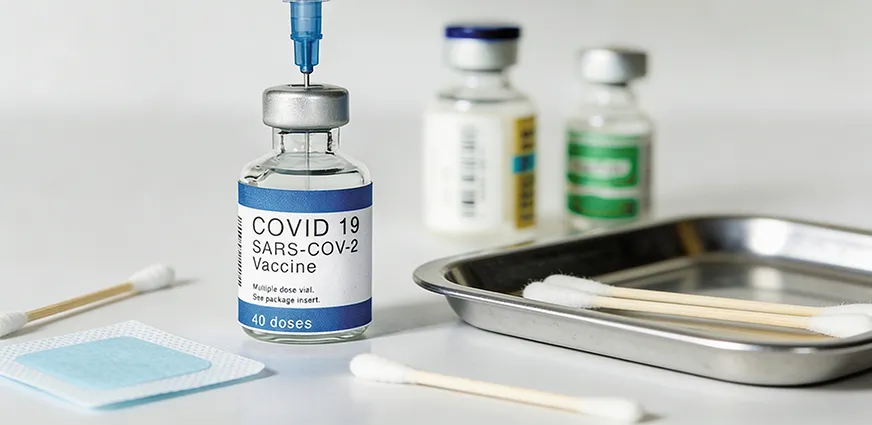
The COVID-19 pandemic was one of the most significant diseases to spread in the modern era, and it has changed the way the world operates now. Due to its widespread impact, it is an important vaccine for pilgrims. The Saudi authorities continue to prioritise the health and safety of all Umrah pilgrims. Therefore, it continually updates its COVID-19 vaccine policy in line with global health policies. Similarly, for 2026, the Saudi Ministry of Health has updated guidance to protect pilgrims from the risks of this viral disease.
Possible Scenarios in 2026
The requirement for a COVID-19 vaccine for Umrah depends on the latest health guidelines. There may be multiple scenarios in which this vaccination may be required.
- Full Vaccination Proof: Under certain circumstances, pilgrims may be required to present complete proof of a COVID-19 vaccination course approved by Saudi authorities. This may include any and all doses of the vaccine recognised by the World Health Organisation (WHO)
- Booster Dose for Elderly Pilgrims: For elderly pilgrims who may be more vulnerable to disease, proof of a booster dose may be required. This is to protect individuals who may be vulnerable to severe infections.
- No Requirement if Restrictions Are Lifted: If the COVID-19 restrictions are relaxed in 2026, pilgrims may not have to provide any proof against the disease. However, this depends highly on the latest health rules and any recent outbreaks in the country of origin. So, staying updated is essential.
Recommended Steps for Pilgrims
It is important to understand that even if at the time of travel, a COVID-19 vaccine is not required, getting the vaccine proof is still the best precaution. This ensures the safety of all pilgrims. To avoid any last-minute complications, it is best to check the following.
- Your Umrah Agent: Before travelling, always check with your Umrah agent or agency. They will have the latest update on vaccine requirements and can help you with the required documents for an Umrah visa.
- Saudi Ministry of Health Portal: This portal is often the most accurate source for up-to-date COVID-19 rules for pilgrims.
- Airline Travel Health Requirements: Lastly, some airlines may have their own regulations about vaccinations. So, being informed about those helps avoid any boarding issues.
3. Polio Vaccine Requirements for Umrah 2026 (Certain Countries)
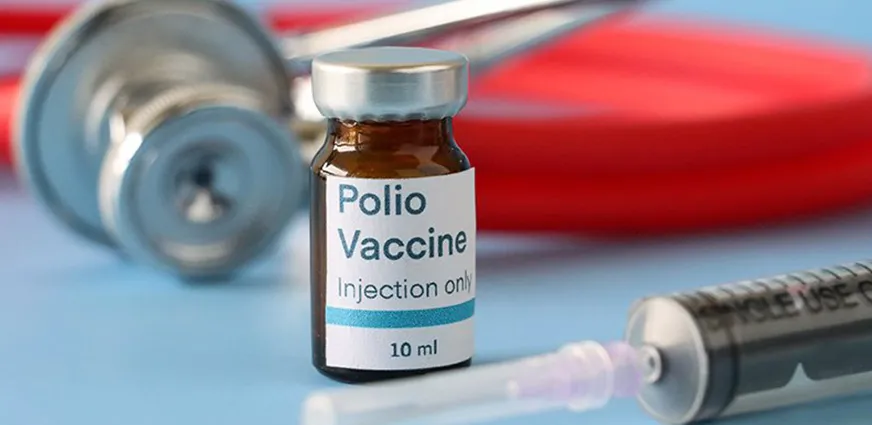
Polio vaccination remains an important consideration for Umrah pilgrims. This is particularly important for those who are travelling from polio-affected regions. While this requirement is not for all pilgrims, people coming from certain countries must follow the specific rules to prevent the spread of polio.
Who Needs It?
This vaccine is only required for people coming from polio-affected regions or areas with recent outbreaks. This includes countries in areas like Asia and Africa, where the disease has been reported in the past or recently. People coming from these countries may be asked to provide proof of:
- Oral Polio Vaccine (OPV)
- Inactivated Polio Vaccine (IPV)
Timing
The polio vaccine must typically be taken 4 weeks to 12 months before travel. This time frame ensures that the immune system has enough time to develop protection before arrival. Moreover, in some cases, the Saudi authorities may provide an additional dose of polio vaccine upon arrival at the border. This may be particularly relevant for pilgrims coming from high-risk regions.
4. Yellow Fever Vaccine Requirement (Only for Specific Countries)
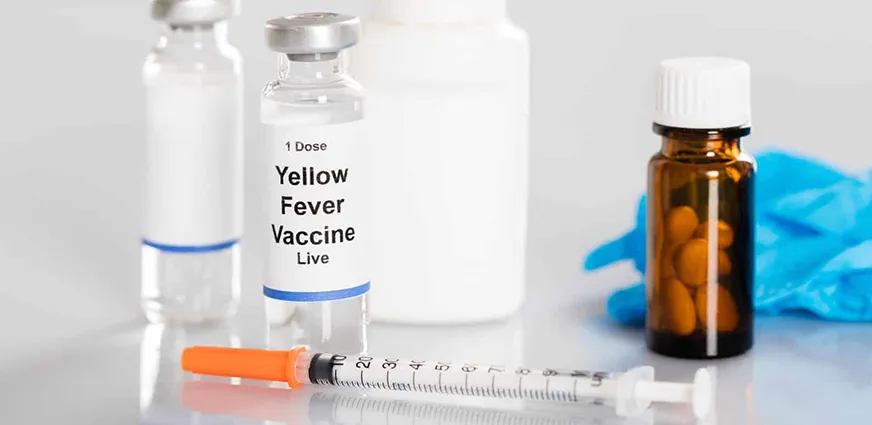
The yellow fever vaccine is another important one. Similar to polio, it is not required for all pilgrims. However, people from high-risk regions, where the disease is common, may need vaccination. Therefore, it is important to understand whether this requirement applies to you. It helps avoid delays or complications.
Who Needs It?
The Yellow Fever vaccination is required only for pilgrims arriving from endemic regions. These areas are mainly located in parts of:
- Africa
- South America
Proof Required
If you are a pilgrim who is required to have the Yellow Fever vaccine, you must have a valid vaccination certificate. The certificate must include:
- Vaccine name
- Date administered
- Clinic stamp to show authenticity
5. Seasonal Flu Vaccine Recommendation for Umrah Pilgrims
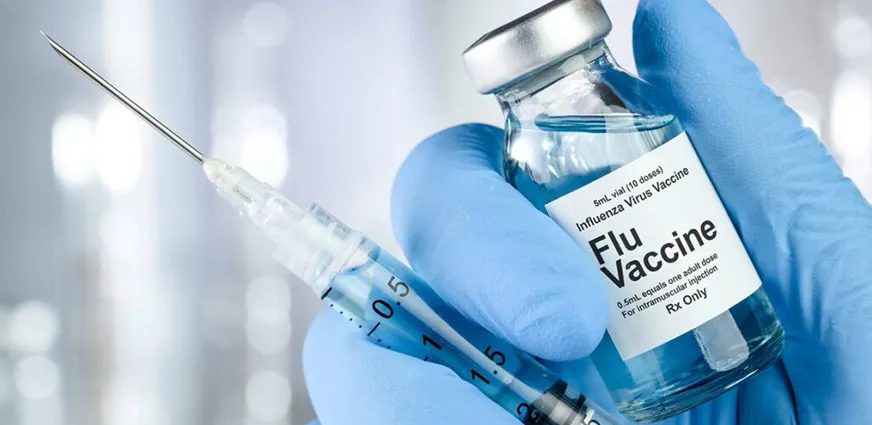
Lastly, among the top vaccines is the seasonal flu vaccine. While it is not always mandatory, Saudi health authorities strongly recommend that Umrah pilgrims get the seasonal flu vaccine before travelling. The high levels of crowds in Makkah and Madinah make it very likely that the seasonal flu will spread rapidly. So, getting the vaccination helps pilgrims and the general public stay protected.
To ensure utmost safety, here are some of the most recommended groups of people who should get the vaccine.
- Elderly Pilgrims: Older individuals are more vulnerable to health complications. So, seasonal flu may lead to more serious complications.
- Children: Young children have immune systems that are still developing. So, they have a higher chance of catching an infection.
- Pregnant Women: Pregnant women are more vulnerable to diseases, as they can complicate the situation for both the mother and the baby. So, vaccination is highly recommended to stay protected.
- People with chronic illnesses: Chronic illnesses weaken the immune system. So, extra precautions are recommended.
Additional Recommended Vaccines for Umrah 2026
The Saudi authorities require certain vaccinations for all pilgrims regardless of age, health status, or country of origin. However, apart from those, there are certain vaccines that are highly recommended for people travelling for Umrah. These ensure a safer experience for everyone.
Hepatitis A
Firstly, Hepatitis A is a viral infection that affects the liver. It is usually spread through contaminated food or water. During Umrah, pilgrims often eat at shared dining areas. This is especially true during Ramadan Umrah. This significantly increases the risk of exposure. So, vaccination against it provides long-lasting protection.
Hepatitis B
Similarly, Hepatitis B is another infection that affects the liver. This is usually transmitted through blood and bodily fluids. While the risk is lower for most pilgrims, it can still be transmitted on rare occasions. This could include minor cuts or close contact in crowded accommodations. Therefore, vaccination against Hepatitis B is useful. This is especially true for people with existing health conditions.
Typhoid
Typhoid is another infection that can cause severe fever. This is usually transmitted by contaminated food or water. Since Umrah involves a lot of travelling, pilgrims may consume unwashed food or vegetables, or street food that may result in typhoid. So, a vaccine against it helps avoid any health complications.
Pneumococcal Vaccine (Elderly)
Pneumococcal infections can lead to pneumonia, Meningitis, or other infections. It spreads very easily through close contact with an infected individual. So, when using public transport during Umrah, the risk increases. This is especially important for older people with weaker immune systems.
Tetanus Booster
Lastly, Tetanus is a serious infection that may result in fatal consequences if not treated in time. It can enter the body through cuts or wounds. As Umrah involves a lot of walking in crowded areas, there is a risk of minor injuries. So any open cut or wound can lead to Tetanus. Therefore, a Tetanus booster is important to maintain immunity and reduce the risk of infection.
Umrah Vaccine Requirements 2026 UK Pilgrims (Special Guidance)
For pilgrims travelling from the UK, complying with Saudi Arabia's Umrah vaccine requirements is essential to ensure smooth visa approval and a safe journey. While the general rules for UK pilgrims are the same as for pilgrims from other countries, there are some specifications to be followed. These include how the vaccines are documented and verified before travelling. Understanding these details can help avoid any last-minute complications and ensure a smooth pilgrimage for everyone.
Recommended Actions for UK Pilgrims
To ensure the validity of their vaccinations, UK pilgrims must meet a few requirements. Firstly, the vaccine appointments should be booked early enough to match the timelines specified by the Saudi authorities. Getting them too late may make the vaccination invalid and hence result in visa issues. Also, ensure a certified NHS-recognised clinic administers the vaccination.
Additionally, the ACWY certificate is mandatory and a very important document. So, you need to make sure the relevant authorities stamp it for authenticity. Also, keep a printed copy handy. Keeping both digital and physical proof helps ensure there are no issues.
Common UK Vaccination Clinics
Ensuring that you select the correct UK vaccination clinics is very important for the validity of your vaccination. Also, getting your vaccinations completed on time is essential. Ideally, you should be done with all of them 2-3 weeks before departure. To ensure your vaccinations are accepted, you can get them through:
- NHS Travel Vaccination Centres: These provide government-approved certificates that are fully recognised by Saudi authorities.
- Boots Travel Clinic: Widely used by pilgrims for convenience.
- Private Umrah Travel Health Providers: A good option for flexible appointments and personalised travel health consultations.
Vaccine Certificate Requirements for Saudi Umrah Visa 2026
Before you can perform Umrah, the Saudi authorities require proof that you have completed all required vaccinations. The proof is provided by vaccination certificates. Therefore, they are a crucial part of your Umrah visa application. The correct certification is more than just a formality. It is a deciding factor in whether you will get your Umrah visa.
To get an Umrah visa, you typically need to provide:
- Meningitis ACWY certificate
- Passport copy
- Visa application form
- Proof of package booking
Therefore, valid vaccination certificates are crucial for obtaining your visa. Typically, the correct vaccination documents will have the following:
- Vaccine name
- Date of vaccination
- Authorised clinic stamp
- Pilgrim's personal details match the passport
When Should You Get Vaccinated Before Umrah?
Timing your vaccinations is as crucial as getting them. If you get vaccinated too late, it may mean that your visa application is delayed or rejected. So, proper planning ensures that everything goes smoothly. Here is a recommended timeline to follow for your vaccinations.
Travel Consultation: 4–6 Weeks Before Departure
Firstly, you must get a consultation from your doctor about the pilgrimage you are about to undertake. This helps you determine whether you are physically fit for the journey and identify any underlying health issues you should be cautious about. This consultation can help you check whether you already have any valid vaccinations, recommend additional vaccines, and provide guidance on boosters, if needed. This allows you to have a more personalised understanding of your specific needs. Make sure to get this consultation at least 4 to 6 weeks before departure to have enough time to schedule all the vaccinations.
Required Vaccines: 3–4 Weeks Before Departure
Once you have an understanding of the vaccinations required, you can start receiving them. Getting all required vaccines 3 to 4 weeks before departure ensures that they have enough time to take full effect. This also allows for certificates to be made and authorised. Plus, it makes it easy to get any follow-up doses if needed.
Minimum Compliance Window: 10+ Days Before Travel
Some vaccines, such as the ACWY shot, must be received at least 10 days before arriving in Saudi Arabia. This time frame allows your body to develop enough immunity. So, for such vaccines, it is important to follow the minimum compliance window to avoid any last-minute issues.
Travel Day: Carry Certificates Safely
Lastly, on the day of travel, you must carry all of your certificates. This includes both physical and digital copies. Remember to keep your physical copies in a place that is easy to access, so you can show them wherever needed.
What happens if you travel without the required vaccines?
Umrah is a highly anticipated journey. However, if Saudi rules for vaccines are not followed, pilgrims may have to face severe issues. This can affect pilgrims' travel plans, safety, and overall experience.
Visa Delays
Firstly, not having the required vaccinations may delay your Umrah visa. An important part of the Umrah visa application process is the review of the vaccination certificates. So, incorrect vaccinations can result in delays in your Umrah visa, which may cause your visa to arrive later than your departure. Plus, in some scenarios, the Umrah visa for pilgrims may be rejected altogether.
Entry Rejections
Moreover, even if you get your Umrah visa, you may be denied entry into Saudi Arabia without the correct vaccinations. Immigration officers often check vaccination certificates. If they are incorrect, they may deny pilgrims entry into the country.
Vaccination Enforcements
In some instances, Saudi authorities may offer on-site vaccinations for pilgrims who do not have proof of required vaccines. While this is better than an entry rejection, it can still be a huge hassle and very inconvenient.
Extra Medical Costs
Lastly, travelling without the relevant vaccines may also result in unexpected medical costs. Pilgrims could be charged for on-site vaccinations at the border, for any health consultations, or for treatment of any illness they may have contracted due to non-vaccination. These additional costs can significantly affect the entire Umrah budget.
Special Vaccine Rules for the Elderly, Children, and Pregnant Women
When it comes to vaccines, certain groups of pilgrims require extra attention. These people are likely to be more vulnerable to infections, especially in crowded environments like Makkah and Madinah.
Elderly Pilgrims
Firstly, older pilgrims are at a higher risk of health complications from infections. This is because their immune system is comparatively weaker. So, for elderly pilgrims, it is recommended to:
- Receive seasonal flu vaccine
- Consider the pneumococcal vaccine, especially if they have a chronic illness
- Stay up to date with COVID-19 boosters
Children
Moreover, children have developing immune systems, which puts them at higher risk. Depending on the child's age, they may require additional vaccination documentation. This includes childhood immunisations like the vaccine against measles.
Pregnant Women
Lastly, pregnant women are advised to be very careful with vaccinations during travel. Some vaccines may not be suitable for pregnant women, and the timing of the vaccination is also crucial. So, it is best to consult a doctor before getting any vaccine. By carrying medical documentation that confirms vaccination status and any special medical considerations, entry into Saudi Arabia is much easier.
Why Saudi Arabia Requires Vaccines for Umrah
Saudi Arabia welcomes millions of Umrah pilgrims from around the world each year. All these pilgrims have different health backgrounds. Therefore, to ensure the safety of pilgrims and the country, the government has strict vaccination requirements in place. These measures reduce health risks and prevent the spread of infections in high-density crowds.
Protecting Pilgrims
Firstly, vaccines help pilgrims protect themselves from potentially life-threatening diseases that can spread easily in crowded places. Many pilgrims may have existing health conditions. So, they may be more sensitive to any disease. Therefore, vaccines reduce the likelihood of medical emergencies during pilgrimages like Umrah.
General Travellers in Makkah and Madinah
Apart from the pilgrims, Makkah and Madinah also have other visitors, locals, and workers. During peak crowds, these people are also at risk of catching a disease. Therefore, vaccine requirements are put in place to protect the wider population in Makkah and Madinah.
Elderly and Vulnerable Worshippers
Moreover, many pilgrims are old and have weak immune systems. This makes them more likely to contract a disease. With vaccination requirements, the likelihood of elderly pilgrims contracting a disease is significantly reduced. This ensures that the pilgrimage is safe for everyone, regardless of their age.
Reducing Global Health Risks After Return
Lastly, the risk of disease spreading continues long after the pilgrimage ends. Umrah often requires travelling through multiple airports. So, if an individual is not vaccinated, their risk of spreading a disease becomes significantly higher. Vaccination policies help reduce the transmission of diseases at a much broader level.
Stay Prepared for Umrah 2026
Umrah is a very spiritual journey. However, it requires careful planning and compliance for a smooth experience. Compliance includes following Saudi Arabia's vaccine requirements for 2026. This helps ensure that you have a smooth visa processing experience. It also allows for safe travel, keeping pilgrims and the wider community protected. Essentially, it ensures that you have a worry-free pilgrimage.
Always stay up to date regarding the guidelines provided by the Saudi Ministry of Health.
May Allah accept your Umrah and grant you a safe and blessed journey.