





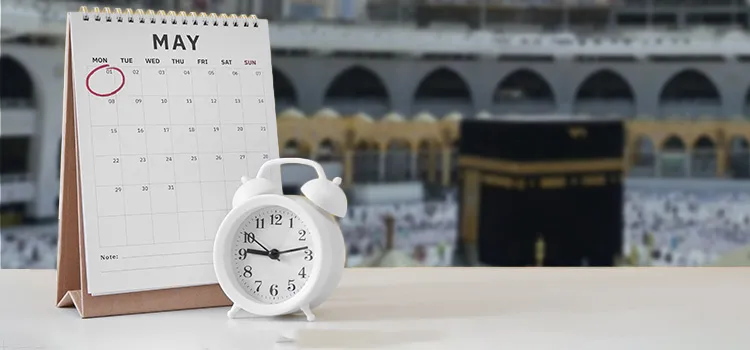
Choosing the right time for Umrah matters more than most people expect. You can perform Umrah almost any day of the year. But each month feels very different. Some months move slowly. You get quiet time inside the Haram. You can sit, pray, and breathe without being rushed. Other months feel intense. The crowds grow thick. The pace stays fast from morning till night.
A few months are easier on your wallet. Hotel prices drop. Flights feel lighter on your budget. Other months cost more and ask more from your body. This guide breaks these differences into simple parts. It helps you choose a time that fits your health, your emotions, and your daily routine.
What Is the Best Time to Go for Umrah?
No single month feels right for everyone. You can perform Umrah almost any time of the year. But what feels allowed does not always feel easy. Some pilgrims want slow walks and short distances. They need time to rest between prayers. Others look for quiet corners where they can sit and pray without noise around them.
Many families want lower costs. They wait for months when flights and hotels drop in price. Parents often choose school holidays because children are free then. Some people need cooler air because heat makes their health problems worse.
To choose well, start by looking at what most pilgrims care about.
Comfort and Easy Walking
Many pilgrims choose their Umrah month based on how easy it feels to move. Tawaf means walking around the Kaaba seven times. Sa'i means walking between Safa and Marwa. These walks take time, energy, and patience. Gentle weather makes a real difference. You sweat less. Breathing feels lighter. Your legs do not grow heavy too fast. This matters a lot for older pilgrims and families with children. It also helps anyone who gets tired quickly. In cooler months, people pray longer, rest better, and walk with less fear of getting sick.
Fewer Crowds and Quiet Prayer Time
Not everyone feels comfortable in large crowds. Some pilgrims stay calmer when fewer people are around. They want to see the Kaaba clearly. They want space to sit and make long dua. Busy months feel heavy. Walking takes longer. Finding a place to pray becomes harder. Noise stays high through the day. The heart can feel rushed instead of calm.
Some pilgrims enjoy this shared energy. They find comfort in praying with thousands of others. But many feel distracted and tired. Pilgrims who want calm usually choose quieter months. These months allow slower walking, easier access to prayer areas, and longer moments of peace.
Lower Prices and Easier Planning
Money plays a big role in Umrah planning. Flights, hotels, food, and transport all add up. Some months cost much more because many people travel then. Other months cost less because fewer pilgrims are in Makkah. People who watch their budget often choose off-peak months. These months bring cheaper hotel rooms. Flight deals feel easier to find. More rooms stay open near the Haram.
Lower-price months also help families, students, and anyone planning a first Umrah.
School, Work, and Family Schedules
Not everyone can travel at any time. Many pilgrims wait for school holidays, work leave, or family plans. Some can only travel in summer. Others wait for winter breaks. Many people need months to get approval from work. Because of this, the right Umrah month looks different for each family. The best time is often the one that fits real life, not just the weather.
Health, Energy, and Safety
Health shapes many Umrah plans. Some pilgrims have heart problems. Others cannot handle strong heat. Choosing the wrong month can make the trip very hard. Health-friendly months bring cooler air and slower walking. Breathing feels easier. The risk of dehydration, dizziness, and exhaustion drops.
These months also give more peaceful prayer time. Pilgrims who care about their health often choose mild weather and lighter crowds. This keeps the body calm and the heart focused on worship.
Islamic Validity of Umrah Timing
Islam allows Umrah through most of the year. Only the days of Hajj limit non-Hajj pilgrims. Outside those days, Umrah stays valid and rewarded. This gives pilgrims real freedom. They can choose a month that fits their life. They are not pushed into one season. This flexibility helps people protect their health, their budget, and their peace of mind.
Best Time to Go Umrah Based on Weather
The weather controls much of how Umrah feels. It shapes how long you can walk. It affects your breathing and your comfort during prayer. Many people only realise this after they arrive. The same rituals can feel gentle in one season and very tiring in another. Hot air drains energy fast. Cold nights make rest more complicated. Soft weather keeps the body steady and the heart focused.
This is why the weather is not a small detail. It can change the whole trip. Below is how the seasons usually feel and how they affect Umrah travel.
Winter Months (November to February)
Winter is the most comfortable season for many pilgrims. The air stays cooler. Breathing feels lighter. Walking does not drain energy too fast. The sun feels softer. Shaded areas give real relief instead of heat.
Tawaf and Sa'i feel easier in these months. Feet hurt less. The body recovers faster after prayer. This helps older pilgrims and families with children. It also suits anyone who gets tired quickly. Because winter feels gentle, many people choose this season, especially those planning a December Umrah trip, when the weather remains ideal for worship. Hotels fill faster. Flights cost more. Prayer areas feel busy. Still, many pilgrims think the comfort is worth the higher price. Many travellers also consider February Umrah packages as winter begins to ease while temperatures remain comfortable.
Spring Months (March to April)
Spring feels like a bridge between winter comfort and summer heat. Days start to warm up, but the heat stays manageable. Mornings and evenings feel pleasant. Afternoons feel warm, not harsh. Many pilgrims choose spring to avoid winter crowds and still get decent weather.
Tawaf and Sa'i stay fairly comfortable. You need more water breaks. The sun feels stronger, but shaded areas still give relief. The body warms up faster than in winter, but the heat is not severe. Crowds begin to grow as Ramadan gets closer. Prayer areas feel busier each week. Prices also rise slowly. Spring suits pilgrims who want balance.
Summer Months (May to September)
Summer is the hardest season for the body. Daytime heat stays intense. Walking feels heavy. Breathing feels warm. Sweat builds fast. Pilgrims need to plan each move with care. Frequent rest breaks become important. Tawaf and Sa'i feel tired under the sun. Most people shift their worship to early morning, evening, or late night. These hours feel safer and cooler.
Summer also brings one clear benefit. Prices drop. Flights cost less. Hotels offer better deals. Room options stay open. For healthy pilgrims who manage heat well, summer can be a practical and affordable choice.
Best Time to Go Umrah Based on Crowds
Crowds change how Umrah feels. They affect how long rituals take. They also affect how the heart feels near the Kaaba. Some pilgrims feel comfort in praying with thousands of people. Others feel calmer with space to breathe, walk slowly, and whisper their duas. Both feelings are valid. But knowing your comfort level helps you choose the right month.
Peak Crowd Periods
Some months bring very large crowds from across the world. These are the busiest times of the year.
Ramadan, winter months, school holiday weeks, and the weeks before Hajj draw huge numbers to Makkah. Masjid al-Haram stays full from early morning till late night. Walking around the Kaaba takes longer than usual. Standing near the Black Stone becomes difficult. Moving between Safa and Marwa feels slow and packed. Prayer areas fill fast. Some pilgrims wait for space before they can sit. Personal space stays limited.
These months feel emotional and lively, but they also need patience and physical strength.
Less Crowded Periods
Some months feel calm and slow. These times let pilgrims walk gently, sit longer, and take their time in prayer. The weeks after Hajj, the early Islamic months, and the later part of summer usually have fewer visitors. Masjid al-Haram feels more open then. Tawaf moves smoothly. Sa'i feels less rushed. Finding a quiet place to sit becomes easier.
These months suit pilgrims who prefer slow walking and long duas. The atmosphere feels peaceful and personal. Crowds shape the rhythm of Umrah. Choosing a calmer month helps pilgrims stay relaxed and present.
Best Time to Go Umrah for Cheap Prices
For many families, money guides the plan. Not everyone can choose their month freely. Sometimes the budget decides more than comfort or crowds. Some periods of the year cost less. This makes Umrah easier to afford. Summer months, the weeks after Hajj, and times outside school holidays usually offer the lowest prices. Fewer people travel then. Hotels lower room rates. Airlines cut ticket prices.
Rooms near the Haram are easier to find. Umrah packages feel lighter on the pocket. Pilgrims who stay flexible often save a good amount by choosing these months.
Booking early improves your chances of finding good deals. When people wait too long, affordable flights and good hotel rooms disappear. Early booking gives more time to compare prices. It also helps you choose hotels close to the Haram without rushing. Avoiding holiday weeks further reduces costs. School holidays, winter breaks, and long weekends bring quick price jumps.
Flexible travel dates open better hotel options. A small change in travel days can clearly lower the price.
Best Time to Go Umrah in 2026
Pilgrims planning for 2026 can expect familiar patterns. Winter months will stay the most comfortable for walking and standing. Ramadan will stay deeply emotional and rewarding. It will also remain crowded and costly. Summer will stay the cheapest option. It will also remain hard on the body because of heat, which is why many travellers begin reviewing Umrah packages 2026 to match their comfort and budget.
Early planning for 2026 will matter more than before. Global travel keeps growing. Flights and hotels fill faster each year. Booking early helps pilgrims secure better locations, calmer schedules, and lower costs. It also keeps the Umrah experience peaceful and organised.
Best Time to Go Umrah for Different Types of Pilgrims
Not every pilgrim needs the same month. Some travel with children and parents. Some are visiting the holy cities for the first time. Because of this, the right Umrah time can differ for each group.
Families and Elderly Pilgrims
Families and older pilgrims need gentle conditions. Winter months give this comfort in a natural way. The air stays cooler. Walking feels lighter. Standing during prayer becomes easier. Children get tired more slowly. Older pilgrims can move without rushing. Short walks between hotels and the Haram feel manageable in winter. This lets families focus more on prayer and less on physical strain. The risk of dehydration and fatigue also drops.
For these reasons, winter becomes the safest and most relaxed choice for families and older pilgrims.
Budget-Conscious Pilgrims
Some pilgrims plan Umrah around what they can afford. Comfort and holidays come second for them. Summer and off-peak Islamic months suit this group well. Fewer travellers mean lower hotel prices and cheaper flights. This makes Umrah possible on a smaller budget. Hotels near the Haram are easier to find. Travel packages feel lighter on savings. The weather feels hot, but careful planning helps.
Many people rest during the day and perform rituals early morning or late at night. For many pilgrims, this trade feels worth it.
First-Time Pilgrims
First-time pilgrims need a season that feels easy on the body and the mind. Late winter and early spring offer that balance. Temperatures stay manageable. Crowds are not at their heaviest. These months let new pilgrims learn the rituals in a calm way. Walking stays relaxed. The spiritual flow feels easier to follow.
The experience feels smoother. People focus more on prayer and reflection, not on strain or confusion.
Is There a Spiritually Best Time to Go Umrah?
Every Umrah carries deep meaning and reward. Each sincere step still counts every month. The heart matters more than the calendar. Ramadan holds a special place. Worship during this month brings multiplied reward. The atmosphere in the holy cities feels focused on prayer. Many pilgrims choose Ramadan because their hearts feel more awake. Days feel longer. Nights feel full.
Quieter months offer a different kind of beauty. Fewer crowds allow slow walking and long duas. Calm moments near the Kaaba feel easier to find. Many pilgrims feel more present in these peaceful days. In the end, the best time for Umrah is the time that keeps the heart calm, focused, and present in worship.
Common Mistakes When Choosing the Time for Umrah
Many pilgrims plan their first Umrah with great excitement and little practical thought. It feels easy to pick dates that look good on a calendar. But those dates can feel very different on the ground. Small planning mistakes may seem harmless at first. They can slowly turn a calm trip into a tiring one. Missed details make the journey feel rushed, uncomfortable, or confusing.
A little awareness before booking can protect comfort and peace of mind.
Ignoring Weather Realities
Some months feel gentle on the body. Others bring strong heat that drains energy fast. Many pilgrims check only flight prices. They forget to check temperatures. When the body feels heavy, the heart struggles to stay focused on prayer. Hot days also raise the risk of dehydration and tiredness, especially for older pilgrims. Choosing months with mild weather keeps worship steady and more comfortable.
Underestimating Crowd Levels
Busy seasons carry strong spiritual energy. They also bring long walking times, slow Tawaf, and little personal space. Many pilgrims realise this only after reaching packed courtyards. Lines grow longer. Quiet prayer moments become harder to find. Knowing which months stay crowded helps set clear expectations. It also prepares the mind before travel.
Booking Too Late
Waiting until the last moment limits hotel choices. Prices often rise at the same time. Late booking can push pilgrims to stay far from the Haram. This adds extra walking to long days. Tired legs can reduce focus and patience during prayer. Early booking brings better locations, calmer routines, and less stress.
Choosing Cheap Dates Without Considering Health
Some people pick the cheapest travel dates without thinking about their body. Saving money matters, but safety and comfort matter more. Strong heat and heavy crowds can drain the body fast. This affects older pilgrims and children the most. Balanced planning that weighs price, weather, and personal strength helps create a calm and meaningful Umrah.
Conclusion
No single month suits every pilgrim. Each person brings a different body, schedule, and set of needs into Umrah. Some people need cooler days so their steps stay steady. Others need lower prices so their plans stay possible. Many want calm surroundings so their hearts stay focused. Winter brings comfort and easy movement. Summer brings more affordable options. Quiet months give space for long prayer and reflection.
Ramadan brings deep spiritual weight that many pilgrims hope to experience once.
The most meaningful Umrah is not about choosing the most popular month. It is about choosing the month that keeps the heart calm, the body strong, and the mind present in worship.